
W. E. B. Du Bois Center
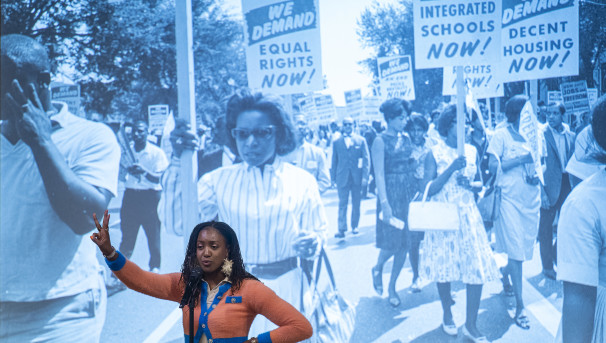
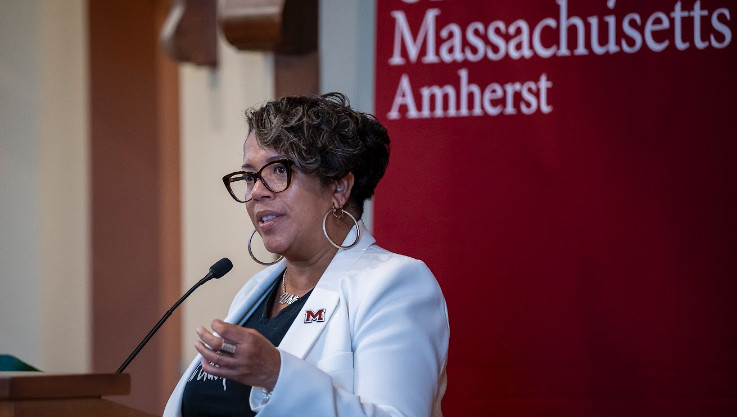
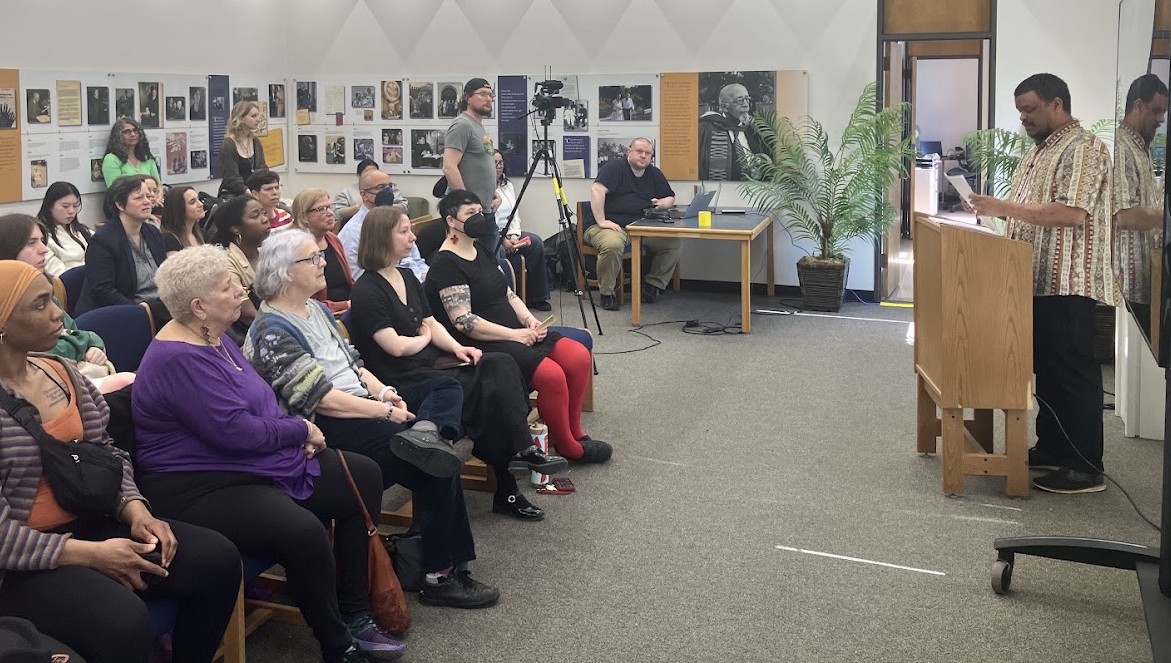
The W. E. B. Du Bois Center at the University of Massachusetts Amherst was established in 2009 to provide a space for the discussion of vital issues relating to race, social justice, socio-economic inequality and the legacies of colonialism. The Center funds and supports interdisciplinary scholarship as well as year-round programming, teaching, outreach and support to on-campus and community groups.
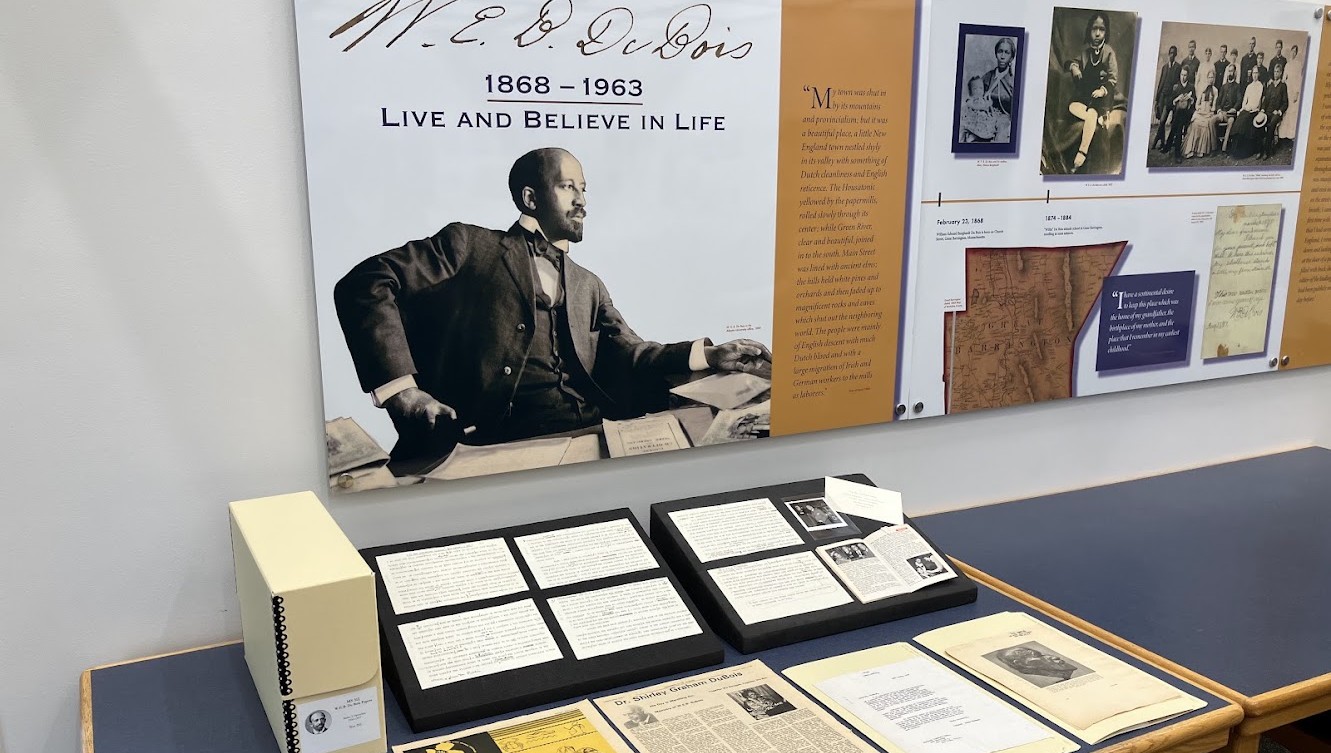
UMass Amherst is the proud custodian of both the Du Bois Papers located in the Libraries’ Special Collections and University Archives, and the Du Bois Boyhood Homesite in Great Barrington, MA. The Du Bois Center uses these resources and more to promote and preserve the incredible legacy of W. E. B. Du Bois.
Our Mission
- Activate W. E. B. Du Bois's intellectual legacy in the global fight for democracy and human rights, and against racism and inequality
- Support new and important scholarly research on the life and work of Du Bois and his contemporaries
- Make W. E. B. Du Bois a household name and cement his reputation as one of the greatest thinkers, scholars, writers, and activists this country has produced
- Apply Du Bois's work to our own time and to demonstrate how a greater understanding of the past can enhance our understanding of the present
- Preserve, share, and create resources and programming making Du Bois's legacy accessible to all, and to foster the interdisciplinary scholarship building on the work of Du Bois
- Work in partnership with peer organizations in the U.S. and abroad to advance the national and global legacy of Du Bois'
- Provide a physical space to help support BIPoC students and to support the work of graduate students across multiple disciplines
- Fight for diversity, equality, dignity, respect, inclusivity, and democracy on campus and in our community
We Need Your Support
The work and ideas of W. E. B. Du Bois are more relevant than ever as we seek to promote equality, democracy, and freedom of thought. Your donation will support scholarship and programming that engages with these issues and many more. You will help us give a platform to scholars from multiple disciplines and backgrounds, allow us to disseminate the ideas and values of Du Bois to a wide audience, help us to provide a safe and engaging space on campus for students of color, and to activate the Du Bois papers in curricula designed for students of all ages.
W. E. B. Du Bois's work was not finished when he died on the eve of the march on Washington in 1963. There are vital materials, applicable to our own time, among his vast body of work. Du Bois is still 'on the case', still challenging us to be better and build a fairer, more equal world. Your support helps us to do just that.